Guide to Privacy Crypto Coins: Secure Your Assets
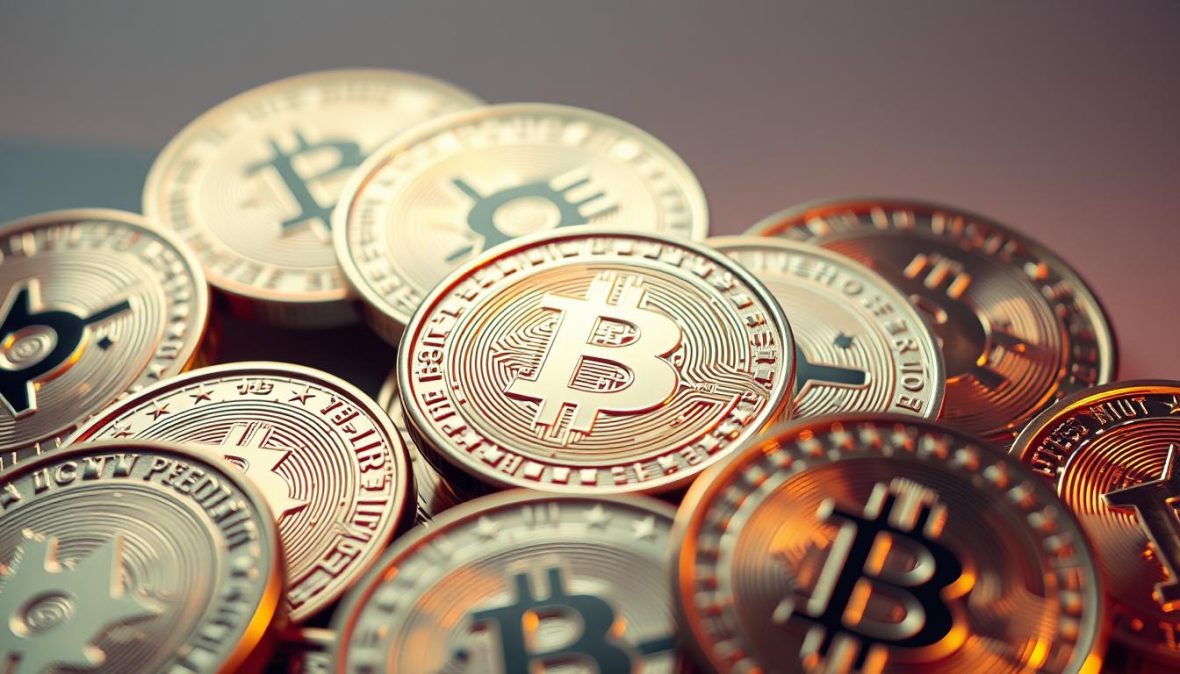
About 40% of crypto users have had their transaction history exposed at least once. This fact shows why privacy crypto coins are essential, not just an extra option.
My journey with privacy coins started after a risky situation. Someone could see my spending habits because of a visible chain link. I found that privacy coins reduced my exposure, kept my transactions secret, and made handling my private crypto assets for future plans easier.
This guide explains privacy crypto coins and looks closely at Monero, Zcash, and Dash. I will use information from Investing.com, insights on risk from Lowenstein Sandler, and tips on estate planning for digital assets and secure vaults.
You will learn how privacy coins ensure transaction secrecy, enhance data protection, and how to secure private crypto assets in estate plans. I’ll also discuss essential tools, safety measures, and the effects of new rules and insurance changes on privacy token owners.
Key Takeaways
- Privacy crypto coins protect your transaction history and make your private crypto assets safer.
- They help with estate planning by using secure vaults and a chosen digital executor.
- Monero, Zcash, and Dash offer different levels of privacy, affecting their ease of use and how rules apply to them.
- Changes in insurance and laws concerning AI and cyber risks are changing how we see the security of privacy coins.
- We’ll go over how to use wallets, exchanges, and policies to add the best privacy tokens to your asset management plan.
Understanding Privacy Crypto Coins
The first time I came across Monero, I was amazed by ring signatures. Watching inputs mix together altered my view on how easy it is to track transactions. This experience sparked my interest in privacy-focused cryptocurrencies and their importance for financial protection.
What Are Privacy Coins?
Privacy coins are special types of cryptocurrencies. They hide details of transactions, like who’s sending or receiving money, and how much. They make this possible by using special tools such as ring signatures and zero-knowledge proofs, which makes it hard for others to trace transactions.
My first encounter with Monero’s ring signatures was during a check of a wallet. This concealment was eye-opening. It made me question the security of public blockchains and the significance of privacy in digital currencies for those needing strong privacy for their money.
Key Features of Privacy Coins
Below are some key features common in privacy coins and their impact.
- Ring signatures: Monero uses this to mix the transaction signer with others, making it hard to link the transaction to one person.
- Stealth addresses: These are one-time addresses for receivers, making it difficult to link transactions.
- Confidential Transactions: This keeps the transaction amounts hidden while still checking that everything adds up.
- zk-SNARKs: Zcash uses these to let people prove statements without revealing the information behind them.
- Optional privacy modes: Some digital coins offer the choice between private and public transactions to balance privacy and convenience.
- Mixing services: Dash, for instance, mixes funds to make tracing them harder.
These features make transactions more anonymous. But they come with challenges like wallet compatibility issues, higher fees, and longer times to sync with the network. Regulators are also paying close attention, which affects how these coins are seen on exchanges.
When owning these digital currencies, practical issues matter. Wallet support and secure backup methods are essential. I stick to guidance for planning and keep a secure record of my keys. To protect privacy in case of legal matters, encrypted storage and trusted digital executors are key strategies.
| Feature | Example Project | Impact on Users |
|---|---|---|
| Ring Signatures | Monero | Strong sender obfuscation; larger transaction size; longer sync |
| Stealth Addresses | Monero | One-time addresses for recipients; prevents address linking |
| zk-SNARKs | Zcash | Proofs that hide amounts and parties; computational overhead |
| Confidential Transactions | Elements-based chains, Zcash variants | Conceals amounts while preserving balance validity |
| CoinJoin / Mixing | Dash PrivateSend, CoinJoin tools | Improves unlinkability; depends on participant pool size |
| Optional Privacy Modes | Zcash | User choice between transparent and private transfers |
Legal risks associated with private cryptocurrencies are real. Firms like Lowenstein Sandler point out the growing concerns around regulations. When evaluating privacy features, it’s important to consider how they match up with legal responsibilities and tax reporting. I maintain documents that balance privacy with regulatory needs, ensuring my digital currencies are both safe and compliant when necessary.
Popular Privacy Crypto Coins
I’ve explored many privacy coins and noted their setup, trade-offs, and how they work in real life. I’ll share insights on three top privacy crypto coins. We’ll look at how they’re built, user experience, and their role in a diverse crypto portfolio.
Monero (XMR)
Monero shields details like the sender, receiver, and amount automatically. Its privacy features are always active, making it a favorite for those seeking constant anonymity.
I tried the Monero desktop GUI and Cake Wallet for mobile. Though powerful in privacy, they require more resources due to Monero’s technical needs. It’s a trade between top-notch privacy and system demands.
Privacy fans and certain brokers often choose Monero. Its design focuses on anonymity, making it a leading privacy coin.
Zcash (ZEC)
Zcash lets users choose between open or private transactions. Using zk-SNARKs, it can verify transactions privately. This choice attracts those needing privacy at specific times.
Shielded transactions offer privacy but need more setup time and power. Limited exchange support can also hinder its use.
Its optional privacy makes Zcash popular among those needing flexibility, including compliance with regulations.
Dash (DASH)
Dash introduced PrivateSend, a privacy feature for optional use. Originally focused on payments, it aimed for speed and ease of use. PrivateSend suits those wanting privacy now and then.
While Dash is quicker and easier for merchants compared with Monero and Zcash, its privacy isn’t as strong. Yet, its wide acceptance and good liquidity make it a favorite for payment privacy.
Monero, Zcash, and Dash each approach privacy differently. Monero offers full-time privacy, Zcash provides a choice, and Dash has privacy on demand. They stand out among top privacy coins for these reasons.
Consider how privacy affects estate planning and insurance. Privacy technologies can alter legal outcomes and control. Market reactions to news, as seen on Investing.com, highlight how regulation or commercial updates can influence prices. This underscores the importance of careful asset management and diversification, even with the top privacy crypto coins.
| Coin | Privacy Model | User Effort | Use Case Strength |
|---|---|---|---|
| Monero (XMR) | Default: ring signatures, RingCT, stealth addresses | Higher sync, full-node friendly | Strong anonymity; private transfers |
| Zcash (ZEC) | Selectable: transparent or shielded with zk-SNARKs | Shielded needs more compute; wallet limits | Flexible privacy; regulatory-aware uses |
| Dash (DASH) | Optional: PrivateSend mixing (CoinJoin-like) | Low effort; fast confirmations | Payments and merchant adoption; convenience |
The Importance of Privacy in Crypto
I’ve thought a lot about why privacy in digital money is crucial. On public ledgers, anyone can see your salary, big transfers, and bills. This makes your financial life an open book. I started using privacy-focused coins to hide my donation patterns and business deals. The change was immediate and clear.
Protecting Personal Financial Data
Our transactions show our habits. A regular transfer might show where we work, subscribe, or donate. These clues let attackers and nosy people track our income and spending habits. That’s why I moved some of my money into encrypted cryptocurrencies. I realized simple addresses shared too much info.
To protect myself, I took practical steps. I encrypt my wallets, use different storage types, and track my digital assets. I also keep encrypted notes for my estate and use password managers for my keys. Following advice, I chose a digital executor to keep my heirs safe.
Reducing Surveillance Risks
Surveillance goes beyond just tracking blockchain activities. Companies like Chainalysis combine ledger data with personal info from KYC, social media, and leaked databases. Lowenstein Sandler has cautioned that future tech could worsen privacy risks. Private crypto helps limit the risk of personal data being linked.
Using secure privacy coins helps limit what can be traced about us. This isn’t for hiding wrongdoings but for managing risks and keeping our finances private. Regulators and insurers are getting better at managing these risks. So, planning for privacy is key for protecting our assets.
I suggest a multi-layered strategy for using crypto privately. Use encrypted cryptocurrencies for sensitive transactions, keep track of your assets, and choose the right storage solutions for your needs. For technical advice, I turn to reliable sources like Monero Village privacy. This helps manage private assets safely without risk.
Statistical Overview of Privacy Coin Usage
I watch the markets every day, looking at privacy crypto coins. I track their movements in listings, how often merchants accept them, and changes in their market cap. This information helps us understand how much they’re used and how their value changes. It’s especially important in a field that values privacy and faces legal challenges.
Current Market Trends
Monero, Zcash, and Dash each have a unique place in the market. Monero is usually the most valuable among projects focused on privacy. Zcash gets noticed when people use its privacy features. Dash is popular with merchants in some places because it’s easy to use. Websites like CoinMarketCap and CoinGecko are great for checking their current status.
When it comes to exchanges, being added or removed makes a big difference in price. Investing.com has seen how news about licenses or exchanges can lead to big price changes. This is true for all sorts of private cryptocurrencies.
It’s not easy for privacy-based cryptocurrencies to be accepted by merchants, but it’s happening slowly. Small businesses use them for private payments. Some areas are starting to use them more. The tools and services available help decide which privacy coins get used in the real world.
Growth Predictions for Privacy Coins
Different countries’ laws could affect privacy coins in different ways. Some might restrict them, while others could support their use for private transactions or sending money abroad. I think about these possibilities when guessing how privacy coins might grow.
More and more big organizations are getting interested in privacy. They’re worried about the risks of cyber attacks, which can be reduced by using technology that keeps information private. A law firm called Lowenstein Sandler has pointed out how these concerns are making privacy tools more popular among big companies.
We also have to consider the risks. For example, a lot of Bitcoin might already be lost because people didn’t keep their keys safe. This risk makes people careful about adopting privacy coins.
If you’re making predictions, try drawing a graph. Show the past five years for Monero, Zcash, and Dash, looking at their market cap and exchange listings. Then, draw lines predicting their future up to 2030 at conservative, moderate, and aggressive levels. Base these predictions on how laws change, how many merchants start using them, and improvements in privacy technology.
| Metric | Monero (XMR) | Zcash (ZEC) | Dash (DASH) |
|---|---|---|---|
| Relative Market Cap (recent) | $4–6B range typical, often largest among the three | $500M–2B range, variable with shielding adoption | $200M–1.5B range, tied to merchant tools |
| Exchange Listing Pattern | Consistent on privacy-supporting exchanges; occasional delists on some centralized venues | Widely listed when transparent compliance options exist | Listed broadly due to utility and payments focus |
| Merchant Acceptance | Strong in privacy-aware communities and niche merchants | Growing where shielded transactions are promoted | Adopted by point-of-sale and remittance services in specific regions |
| Drivers of Adoption | Privacy-centric user base; protocol upgrades | Regulatory-compliant privacy features; zk-proof tech interest | Payment utility; low-fee transfers |
| Projection to 2030 | Moderate to strong in privacy-first scenarios | Moderate if compliance paths evolve | Variable; tied to merchant and remittance growth |
For the latest analysis, it’s good to keep an eye on CoinMarketCap, CoinGecko, and Investing.com. Also, check out what law firms say about trends. This mix of sources helps keep predictions accurate, based on what’s actually happening and legal perspectives. That way, we can better understand the direction of privacy-focused cryptocurrencies and their future.
How Privacy Coins Enhance Asset Security
I’ve gained insights from running nodes and trying out wallets. Privacy crypto coins use cryptography to keep the details of transactions secret. This gives them a unique security level compared to traditional chains.
Transaction Anonymity
Several techniques help hide transaction details. Ring signatures blend the real sender with decoys, making it hard to find the source. Stealth addresses create single-use addresses to prevent tracking back to the receiver.
Zero-knowledge proofs allow validation of transactions without exposing details. For instance, sending Monero (XMR) displays only encrypted information. In contrast, Bitcoin transactions are open and traceable. This difference highlights the importance of privacy coins for those seeking anonymity.
Data Protection Mechanisms
Keeping your wallet safe is crucial. Use hardware wallets like those from Ledger or Trezor and encrypt your seed phrases. I suggest using wallets that prioritize privacy for these coins.
To further protect your data, consider network strategies. Using Tor or I2P can hide your IP address, making your transactions more private. Adding protocol features, such as Zcash’s shielded pools, enhances this privacy.
Mixing these strategies can strengthen your privacy. Manage your own node if you can, use wallets that focus on privacy, and use Tor. For gambling or transactions, I found a list of places that accept privacy coins.
- Wallet-level: hardware wallets, encrypted backups, passphrases.
- Network-level: Tor/I2P, private node connections.
- Protocol-level: ring signatures, stealth addresses, zk-SNARKs, shielded pools.
There are downsides to privacy measures. They can lead to higher fees and make trading harder. Legal challenges can also arise. I use insights from Lowenstein Sandler on managing these risks in the context of privacy coins.
Ultimately, privacy coins offer better security and confidentiality when managed wisely. Combining various safety measures with precise record-keeping is key to navigating technical and legal hurdles.
Tools for Managing Privacy Crypto Assets
I keep a small set of tools for managing privacy crypto currencies. These tools include wallets, exchange options, and habits that suit both regular and intense use. They aim to keep transactions private while fitting into your daily routine.
Crypto wallets with privacy features
For Monero, I use its official GUI and Monerujo app for on-the-go needs. They support features like ring signatures and hiding addresses. For Zcash, I prefer ZecWallet on desktop and the official light wallets for mobile, which manage private transactions.
Dash offers the Dash Core Wallet for advanced privacy and mobile apps with PrivateSend. Hardware wallets like Ledger and Trezor are great for safekeeping, though not all privacy features are supported. Always try with small amounts first.
Useful privacy-focused exchanges
Centralized exchanges may offer privacy coins, but watch out for KYC rules and the risk of being delisted. Decentralized exchanges and atomic swaps allow trading directly with others, reducing KYC risks.
OTC desks are good for big trades with less trace, but trust and fees are important to consider. Always think about the risks and where you keep your keys and seeds.
Operational hygiene and supporting tools
Password managers and secure vaults are part of my security routine. I keep essential passwords in a hardware manager and recovery phrases in a secure vault. For estate planning, digital executors help manage your assets safely.
Be careful with cyber insurance and understand what it covers. Keeping records is vital for taxes, and choosing trustworthy platforms helps reduce risks later on.
| Tool Category | Recommended Options | Primary Trade-off |
|---|---|---|
| Desktop Wallets | Monero GUI, ZecWallet, Dash Core | Full features, higher resource use |
| Mobile Wallets | Monerujo, official Zcash light wallets, trusted Dash apps | Convenience vs. potential reduced privacy |
| Hardware Wallets | Ledger, Trezor (limited support) | Strong custody, feature gaps for some privacy-focused coins |
| Decentralized Trading | Atomic swaps, DEXs that support private pairs | Lower KYC, variable liquidity |
| Centralized Exchanges | Major exchanges with selective listings | Higher liquidity, KYC and delisting risk |
| OTC Services | Reputable OTC desks | Privacy for large trades, counterparty risk |
| Security Tools | Password managers, encrypted vaults, cyber insurance | Operational complexity, ongoing maintenance |
Common Misconceptions About Privacy Coins
I’ve been following debates on privacy crypto coins for years. Often, people mix up privacy with doing something wrong. This misunderstanding affects policy talks and confuses people who just want to keep their finances private.
Is All Anonymity Illegal?
Being anonymous isn’t illegal in the US. I use privacy tools for work, keeping small business accounts, and personal safety, all within the law. Banks give privacy through trusts and company setups. It’s similar for private crypto: it’s legal and okay to want privacy.
Police go after crimes, not people wanting privacy. Still, using crypto to hide illegal money can get you in trouble. It’s wise to keep records, talk to a tax pro, and report transactions as needed.
Can Privacy Coins Be Regulated?
Rules aim at actions like money laundering, not the technology itself. For instance, big exchanges have stopped listing some privacy coins because of legal worries. This shows how the industry manages risks, rather than outright banning privacy tools.
The legal world is catching up. Firms like Lowenstein Sandler see changes in insurance and contracts due to AI and cyber risks. It’s key for those dealing with private crypto to be clear in agreements.
To keep a balance between privacy and rules, be diligent about tracking assets, forget adding private keys to wills, use secure storage, and choose a digital executor. Doing these keeps your privacy intact and follows the law.
| Concern | Reality | Practical Tip |
|---|---|---|
| Is anonymity illegal? | Anonymity is lawful when used for legitimate privacy needs; illegal when used to commit crimes. | Keep records and consult a tax advisor for private crypto assets. |
| Will privacy coins be banned? | Regulation targets illicit activity. Some exchanges limit listings under KYC/AML rules. | Use regulated privacy coins where available and maintain compliance documentation. |
| Can companies insure holdings? | Insurance clauses now reference cyber and AI risks; coverage can be narrow. | Negotiate clear contract language and work with specialized counsel like Lowenstein Sandler if needed. |
| How to plan estate and access? | Wills that name private keys create risk. Direct disclosures can expose assets. | Use encrypted vaults and a legal digital executor to transfer private crypto assets securely. |
Frequently Asked Questions
I keep a simple FAQ here to answer the two questions I get most often when discussing privacy crypto coins. I’ll be frank and practical, based on my experience running nodes, using Monero and Zcash, and watching market moves on Investing.com.
Are Privacy Coins Worth the Investment?
Short answer: it depends on your threat model. For journalists, small businesses, and privacy-conscious individuals, privacy crypto coins offer clear benefits. They protect transaction details and reduce exposure to snooping.
If you’re a trader chasing liquidity or institutional exposure, trade-offs exist. Many exchanges limit or delist privacy tokens. Market volatility reacts to news fast; I watched price swings after regulatory announcements on Investing.com. That taught me to size positions and use strict risk controls.
I treat privacy coins like a specialized tool. Use a small, well-managed allocation if privacy matters to your life or business. For active traders who need wide exchange access, weigh the liquidity and legal risks first.
How Do I Choose a Privacy Coin?
Pick a coin by following a checklist. Start with whether privacy is default or optional. Monero’s privacy is on by default. Zcash gives you shielded transactions as an option. That affects ease of use and operational risk.
Next, check technical maturity and developer activity. Look at GitHub commits, recent releases, and the size of the community. Active development means fixes and improvements over time.
Consider exchange liquidity and wallet support. Confirm hardware wallet compatibility and mobile wallet options. If you plan to run a node, test resource needs and syncing time.
Factor in legal status in your jurisdiction and your operational capacity. Can you manage shielded transactions and keep keys secure? Do you have a plan for taxes and estate access?
I recommend consulting a tax advisor and an attorney familiar with crypto law. Use estate-planning best practices: encrypted inventories, a trusted digital executor, and secure backups.
For tools and next steps, check reputable market trackers like CoinGecko and CoinMarketCap for liquidity and rankings. Use wallets with strong privacy features, pick exchanges with clear policies, and talk to cyber insurance or legal counsel about coverage for privacy assets.
Conclusion: The Future of Privacy in Cryptocurrency
I’ve seen privacy crypto coins grow from niche ideas to major tools. In the next ten years, I see them becoming more common. Technologies like zero-knowledge proofs and privacy-focused Layer 2 solutions will get better. Also, institutions will create systems for insurance and compliance that help private transactions.
Lowenstein Sandler mentions that policy language and insurance coverages are changing often. This means people have to talk about terms early to get the right protection.
Privacy coins are expected to grow slowly but steadily. Companies will get more interested when they need to keep things confidential. At the same time, regulators will keep watching, and there will always be users who value their independence. Important technical progress, like better adoption of zk-proofs and privacy features in Layer 2s, will help. So will tools for more secure transactions and easier ways for these currencies to work together.
New technologies for privacy will also improve how we manage digital assets. Expect advancements in estate planning with secure digital vaults and ways to manage your digital property after you pass away. The design of digital wallets will also get cleaner, focusing more on privacy.
To start, try making a simple privacy plan. Get a privacy-focused wallet, keep your backup codes safe, and list your digital assets. Always talk to experts in tax and law. Watch what trusted law firms, exchanges like CoinGecko, say and keep good records for compliance.
Using privacy wisely means more security and freedom. Start small, record your steps, and ask experts for advice. This strategy will help you benefit from new privacy tech and changes in the world of privacy-focused cryptocurrencies.
FAQ
Are privacy coins worth the investment?
How do I choose a privacy coin?
What are privacy coins and how do they work?
What technical features should I look for?
How do privacy coins affect tax reporting and compliance?
How should I store and protect privacy coin keys?
Are privacy coins illegal?
Can privacy coins be regulated or restricted?
Which wallets support privacy coins and what are the limitations?
Where can I trade privacy coins safely?
How do privacy coins reduce surveillance risks?
What operational steps should be included in an estate plan for privacy coin holders?
How do privacy coins compare on market trends and liquidity?
What future trends do you expect for privacy cryptocurrencies?
How can I start a practical privacy workflow safely?